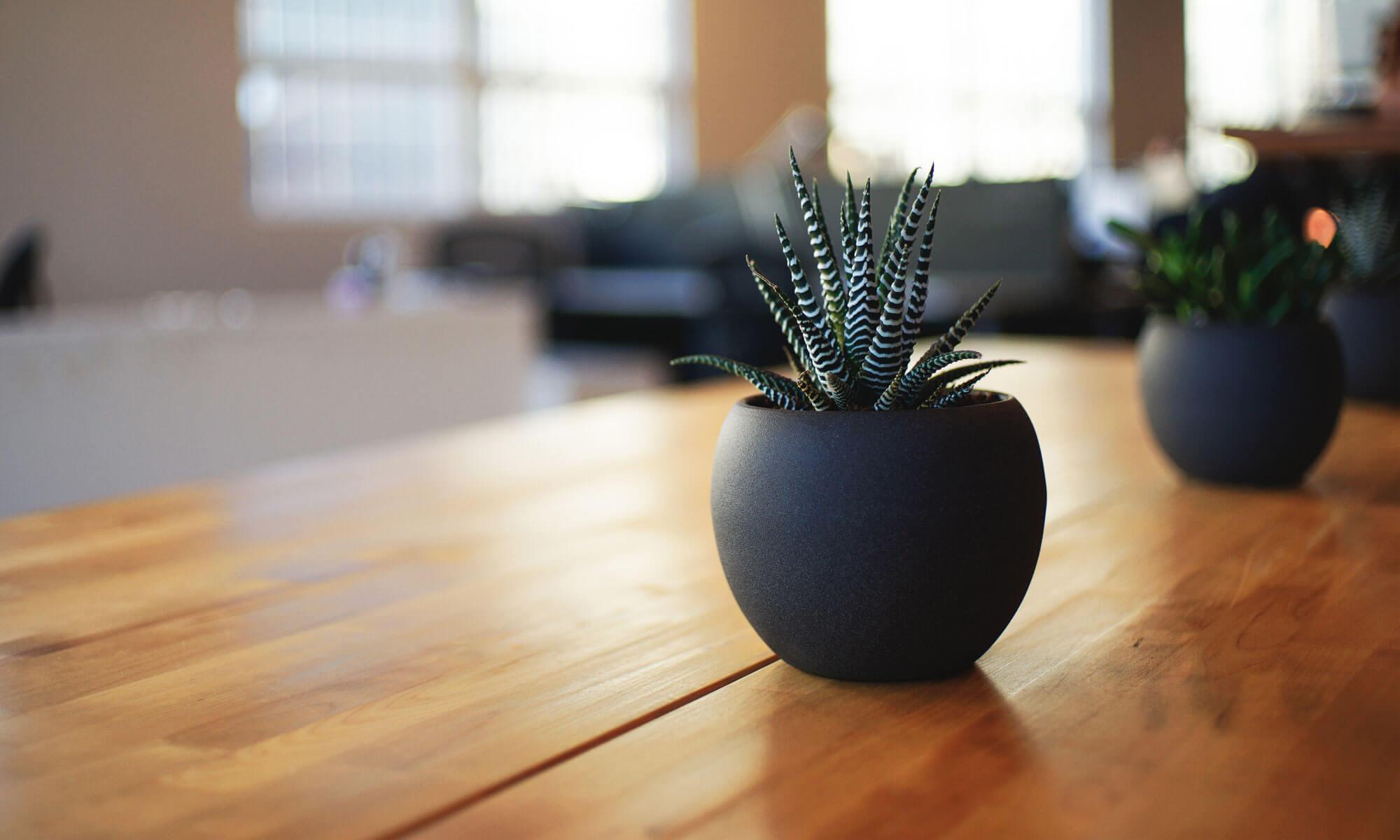
- Comfortable textures elevate your home with https://thebonrush-uk.uk and cosy details
- The Importance of Tactile Experiences in Home Décor
- Exploring Different Textures and Materials
- Creating Layers of Comfort: Throws, Cushions and Rugs
- The Role of Color and Pattern in Texture
- Lighting and Texture: Enhancing the Sensory Experience
- Choosing the Right Light Fixtures to Complement Your Textures
- Beyond the Visual: The Scent and Sound of Comfort
- Transforming Spaces with Intentional Texture Choices
Comfortable textures elevate your home with https://thebonrush-uk.uk and cosy details
Creating a comfortable and inviting home is a desire shared by many, and the textures we surround ourselves with play a pivotal role in achieving this. From the softness of a throw blanket to the plushness of a rug, these tactile elements contribute significantly to the overall atmosphere of a space. Often, the small details, thoughtfully chosen, can have the biggest impact. Exploring options for enhancing your home's comfort levels doesn’t need to be a complicated or expensive endeavor; it’s about layering elements that appeal to your senses and create a sanctuary. Discovering the perfect pieces to achieve this aesthetic can be streamlined with resources like https://thebonrush-uk.uk, offering curated collections focused on quality and style.
The modern home increasingly prioritizes wellbeing, and this extends to the materials we bring into our living spaces. Natural fibres, soft weaves, and warm tones are favored for their ability to create a sense of calm and relaxation. Considering the impact of texture when designing or redecorating a room is crucial; it's not merely about aesthetics but about how a space feels. Thoughtful layering of different textures—coarse against smooth, matte against shine—adds depth and visual interest, preventing a room from feeling flat or sterile. It’s about building an environment that genuinely resonates with your personal style and promotes a sense of peaceful living.
The Importance of Tactile Experiences in Home Décor
The way we experience a space isn't purely visual. Our sense of touch is profoundly connected to our emotional wellbeing. A soft, inviting texture can immediately lower stress levels, while a harsh or unpleasant one can create feelings of unease. This is why choosing the right fabrics, materials, and finishes is so important when decorating a home. Consider the impact of different textures on different areas of the house. In bedrooms, prioritize soft, luxurious fabrics like velvet, cashmere, or high-thread-count cotton. These materials promote relaxation and contribute to a restful atmosphere. In living areas, a mix of textures – think chunky knits, woven throws, and smooth leather – can create a balanced and inviting space that’s both comfortable and stylish. The careful selection of textiles is an investment in your daily wellbeing.
Exploring Different Textures and Materials
The diversity of textures available for home décor is vast. From the organic feel of linen and wool to the sleekness of silk and satin, each material offers a unique aesthetic and tactile experience. Natural materials are always a good choice, offering warmth, durability, and a sense of connection to the outdoors. Linen, for example, is breathable, lightweight, and becomes softer with each wash. Wool is known for its warmth and resilience. However, don't be afraid to experiment with synthetic materials as well. High-quality faux furs, for example, can offer the luxurious feel of real fur without the ethical concerns. Thinking about the overall palette and how different textures will complement each other is crucial. A neutral color scheme can be brought to life with a variety of textures, while a bold color scheme can be toned down with softer, more muted materials.
| Texture | Material | Best Used For | Care Instructions |
|---|---|---|---|
| Velvet | Cotton, Silk, Synthetic | Upholstery, Cushions, Throw Blankets | Dry Clean Recommended |
| Linen | Flax Plant Fibers | Curtains, Bedding, Upholstery | Machine Washable (Cold) |
| Wool | Sheep's Fleece | Rugs, Blankets, Sweaters | Dry Clean or Hand Wash |
| Leather | Animal Hide | Furniture, Accessories | Condition Regularly |
Selecting the right texture isn't just about how it feels; it's also about practicality. Consider the wear and tear a particular material will endure, and choose options that are durable and easy to clean. Families with young children or pets, for example, will likely prefer materials that are stain-resistant and easy to maintain.
Creating Layers of Comfort: Throws, Cushions and Rugs
One of the easiest and most effective ways to add texture and comfort to a home is through layering. Throws, cushions, and rugs are all excellent tools for achieving this. A beautifully draped throw blanket over a sofa instantly creates a sense of warmth and invitation. Cushions, in a variety of shapes, sizes, and textures, can add a pop of color and visual interest. Rugs are essential for defining spaces and adding softness underfoot. When layering, don't be afraid to mix and match. Combine different patterns, colors, and textures to create a look that’s both eclectic and cohesive. When selecting these items, consider the overall style of the room and choose pieces that complement the existing décor. A blend of textures can elevate even the most minimalist space.
The Role of Color and Pattern in Texture
Color and pattern play a crucial role in enhancing the impact of texture. A richly colored velvet cushion will feel far more luxurious than a simple beige one. Adding patterned throws or rugs can introduce visual interest and depth. However, it's important to avoid overwhelming the space with too much color or pattern. A good rule of thumb is to choose a dominant color or pattern and then use complementary colors and textures to create balance. For example, a neutral sofa can be paired with brightly colored cushions and a patterned rug. Alternatively, a boldly patterned rug can be balanced with neutral-colored furniture and accessories. The clever use of color and pattern can trick the eye into perceiving more texture than is actually present, subtly enriching the space.
- Consider the scale of the pattern when choosing rugs and throws. Larger patterns work well in larger rooms, while smaller patterns are better suited to smaller spaces.
- Don't be afraid to mix and match patterns, but ensure there's a common color thread to tie them together.
- Use texture to break up large blocks of color and add visual interest.
- Experiment with different layering techniques to create a unique and personalized look.
The interplay of color, pattern, and texture is a crucial element of interior design; often underestimated, it’s the key to turning a house into a home.
Lighting and Texture: Enhancing the Sensory Experience
Lighting is often overlooked when considering texture, but it plays a significant role in how we perceive it. Different types of lighting can highlight or obscure texture, creating different effects. For example, direct sunlight will accentuate the texture of a woven rug, while soft, diffused lighting will create a more subtle effect. Layering different types of lighting – ambient, task, and accent – can help to create a more dynamic and inviting space. Accent lighting, in particular, can be used to highlight interesting textural elements such as artwork, sculptures, or architectural details. Warm-toned lighting tends to enhance the feeling of coziness and comfort, while cool-toned lighting can create a more modern and sophisticated look. Strategic illumination can truly transform a room, enhancing its textural depth and adding to its overall ambiance.
Choosing the Right Light Fixtures to Complement Your Textures
When selecting light fixtures, consider how they will interact with the textures in the room. For example, a metal lampshade will create a different effect than a fabric one. A textured lampshade can also add its own layer of visual interest. Consider the direction of the light as well. Uplighting can highlight the texture of a ceiling, while downlighting can emphasize the textures on the floor. Using dimmer switches allows you to adjust the intensity of the light to create different moods and highlight different textures. Don’t underestimate the power of natural light. Utilizing sheer curtains or blinds allows you to filter the sunlight and create soft, diffused lighting that enhances the textures in the room. Carefully considered lighting elevates the whole sensory experience.
- Prioritize layering different types of lighting: ambient, task, and accent.
- Use dimmer switches to adjust the intensity of the light.
- Consider the material and finish of the light fixtures.
- Utilize natural light whenever possible.
- Experiment with different lighting angles to highlight different textures.
Working with light is an art form in itself, and when mastered, it can elevate the textures and overall comfort of any space. Resources like those found at https://thebonrush-uk.uk often showcase homes beautifully illuminated alongside their textural elements.
Beyond the Visual: The Scent and Sound of Comfort
While texture is a primary focus, creating a truly comfortable home involves engaging all the senses. Scent and sound often go overlooked, but they can significantly contribute to the overall atmosphere. A subtle fragrance – lavender, vanilla, or sandalwood – can promote relaxation and create a sense of calm. Soft background music or natural sounds, such as birdsong or a gentle stream, can also enhance the feeling of peacefulness. Consider incorporating plants into your décor; they not only add visual interest but also purify the air and create a more inviting environment. The combination of pleasing textures, calming scents, and soothing sounds can transform a house into a true sanctuary. It’s about creating a holistic sensory experience that nourishes the soul.
Think about how these elements work together. A soft, plush rug paired with a lavender-scented candle and gentle acoustic music instantly evokes a sense of calm and relaxation. A cozy armchair draped with a knitted throw, accompanied by the crackling of a fireplace and the aroma of pine, creates a warm and inviting atmosphere. By carefully considering all the senses, you can create a home that truly feels like a haven.
Transforming Spaces with Intentional Texture Choices
The application of textural elements isn’t limited to simply choosing soft furnishings. It extends to architectural details, wall coverings, and even the arrangement of objects within a room. Consider incorporating textured wallpaper or paint to add depth and interest to walls. Exposed brick or stone can create a rustic and inviting atmosphere. Artfully arranged shelves displaying objects of varying textures – ceramic vases, wooden sculptures, woven baskets – can add visual interest and personality. The key is to be intentional with your choices, considering how each element contributes to the overall sensory experience. Furthermore, don't be afraid to experiment with unexpected combinations of textures. A sleek, modern space can be softened with a touch of natural texture, while a rustic space can benefit from a touch of modern sophistication.
Ultimately, the goal is to create a space that reflects your personal style and provides a sense of comfort and wellbeing. Exploring curated collections, as you might find on https://thebonrush-uk.uk, can offer inspiration and help translate ideas into tangible realities. It’s about carefully layering textures, colors, and scents to craft an environment that nurtures the soul and invites you to truly relax and enjoy your home.